

Nervous system support for
life after brain injury.
Congruence | Tucson
Congruence | Tucson
Finding safety after brain injury
Brain injury can disrupt more than cognition. It can affect the entire nervous system, leaving the body organized around protection long after the initial injury.
This may show up as sensory sensitivity, changes in processing, overwhelm, shutdown, fatigue, or difficulty regulating stress.
At Congruence Tucson, we offer guided, one-on-one sessions informed by Somatic Experiencing® principles and shaped by the herd, the land, and the rhythms of the desert. Together, we support your nervous system’s capacity to regulate — allowing safety to return, symptoms to ease, and restoration to unfold.
Rooted in Lived Experience
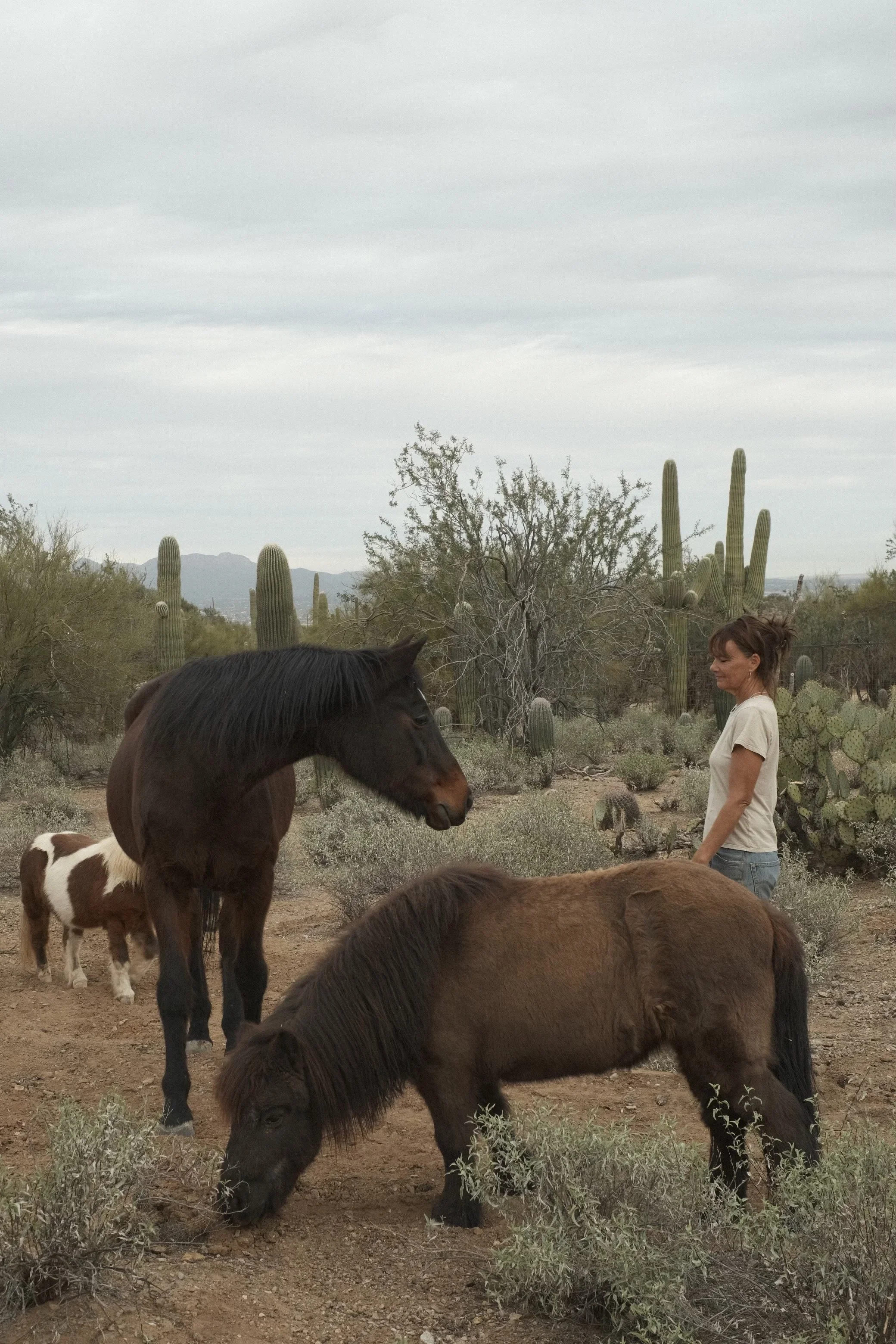
Congruence Tucson grew from Peggy O’Kelly’s journey through traumatic brain injury, and the lived experience she and her lead mare, Roxy, came to share as they rediscovered safety, connection, and regulation together.
Their partnership revealed something central to healing: the nervous system does not recover in isolation. It reorganizes through cues of safety, trusted relationship, and environments that allow the body to move from protection toward connection.
Today, Peggy’s work brings together Somatic Experiencing®, nervous system science, the quiet intelligence of the herd, and the regulating presence of the desert environment to support healing after brain injury—grounded in a lived knowing of what it means to navigate life with an injury that is often invisible to the outside world.
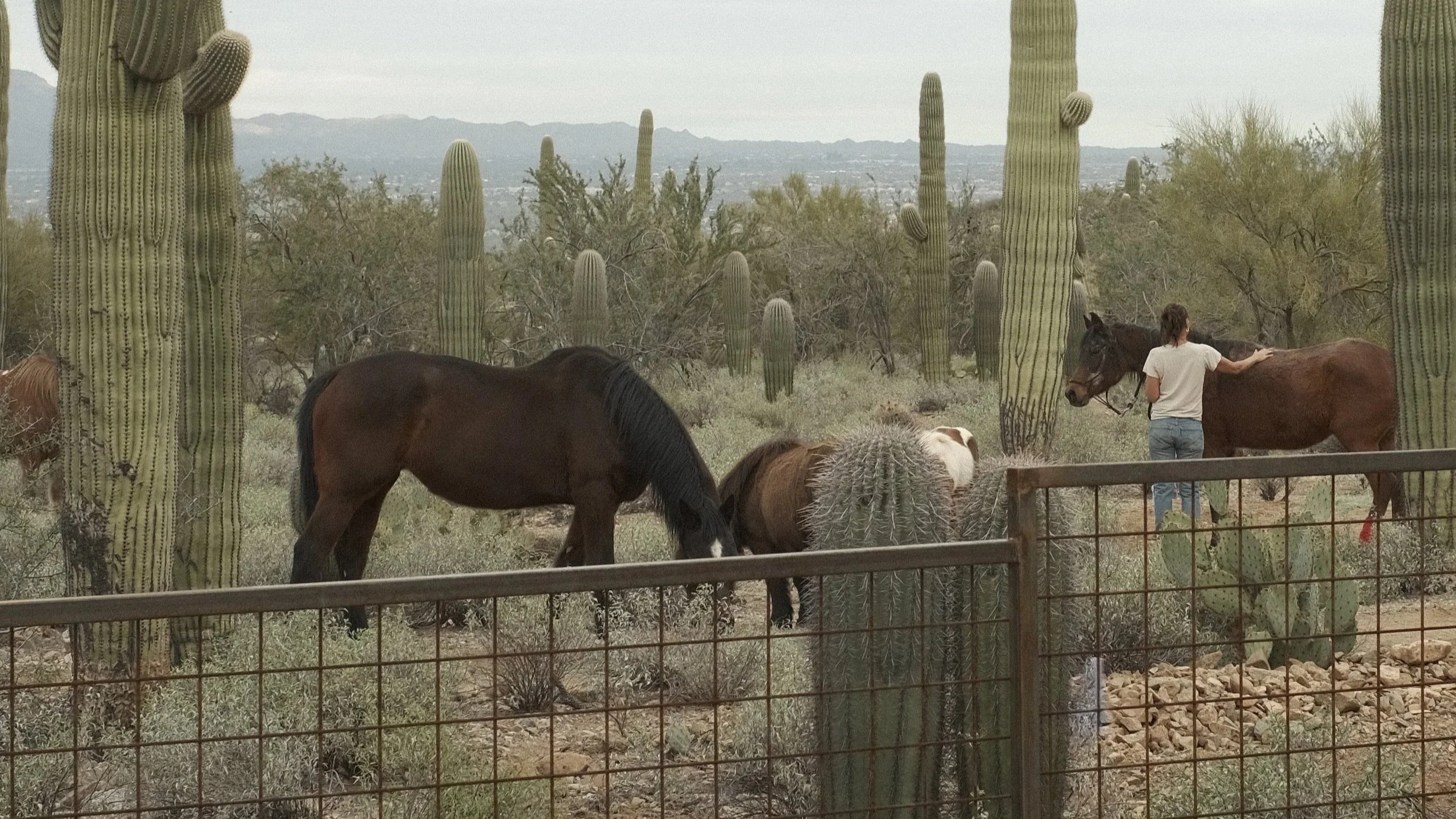
One on One Sessions
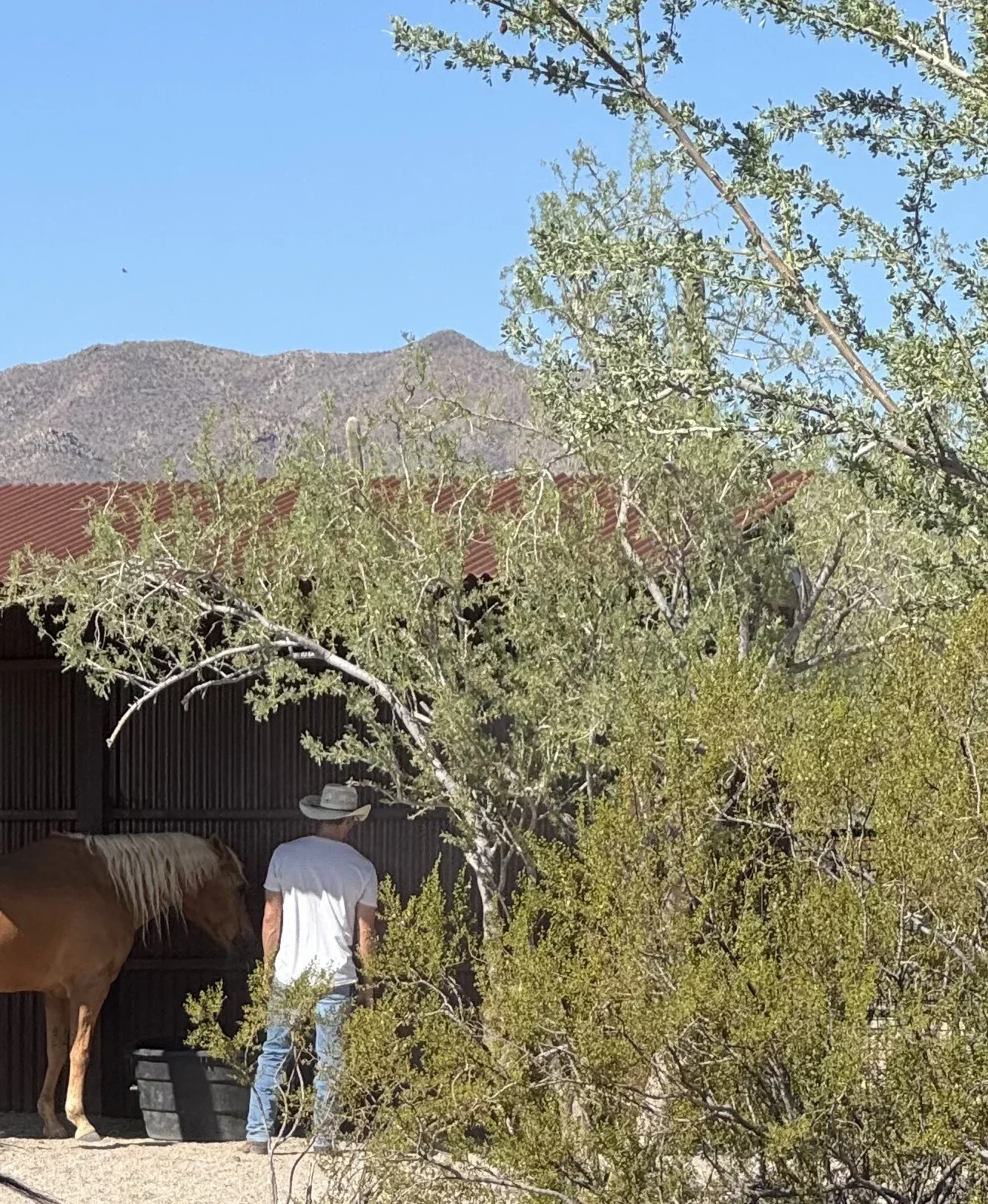
One-on-one sessions offer a quiet, supported space to help your nervous system begin to feel safe again. Through somatic practice, nervous system education, and gentle time with the horses, we work slowly and respectfully with the body’s protective responses.
This work is not about pushing through or fixing yourself. It is about helping your system reconnect with safety, capacity, and the deeper intelligence already within you.
These sessions may complement ongoing care and are often integrated alongside neuropsychology, physical therapy, neuro-optometry, occupational therapy, and other medical or rehabilitative support.
The Herd
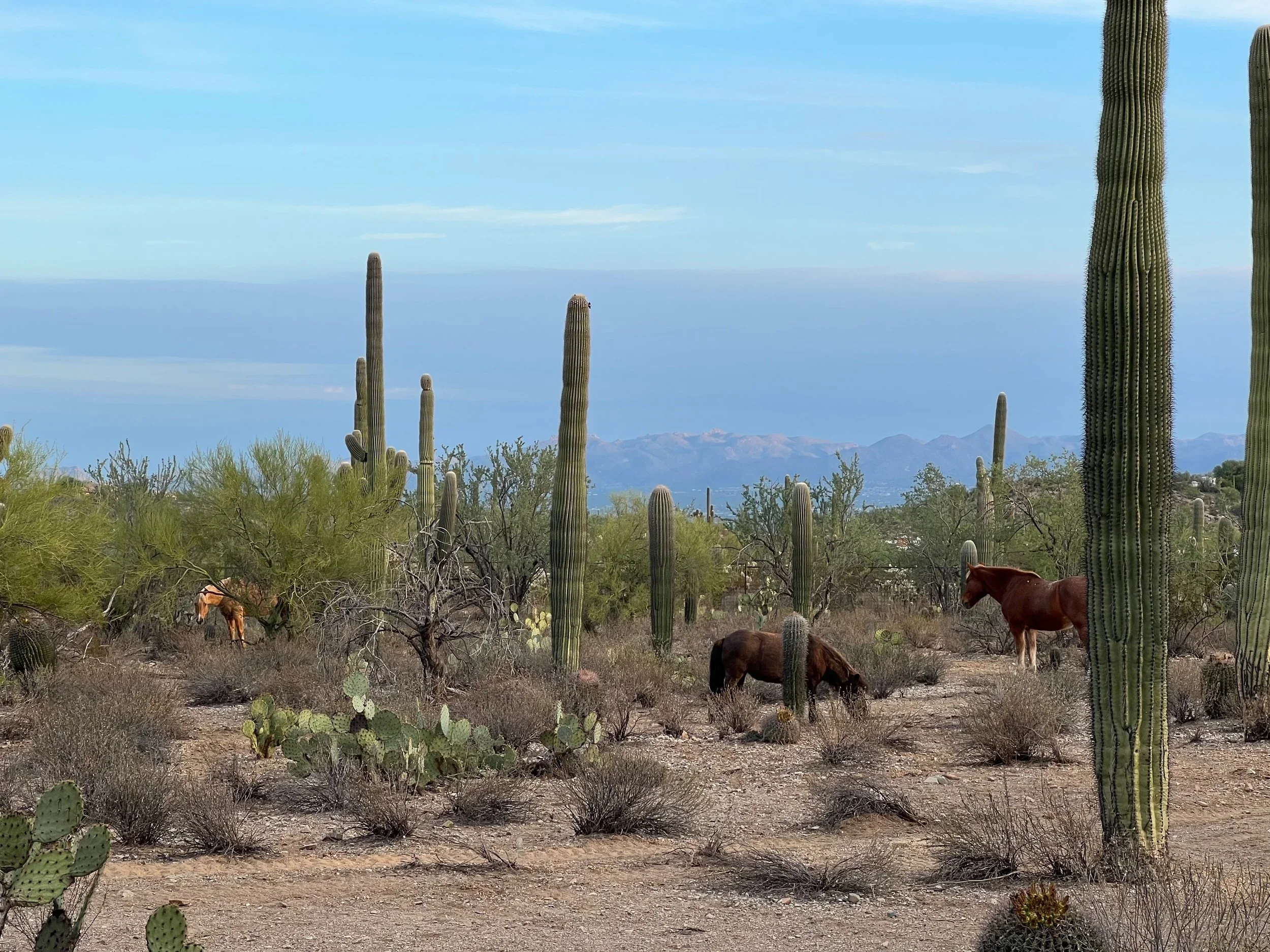
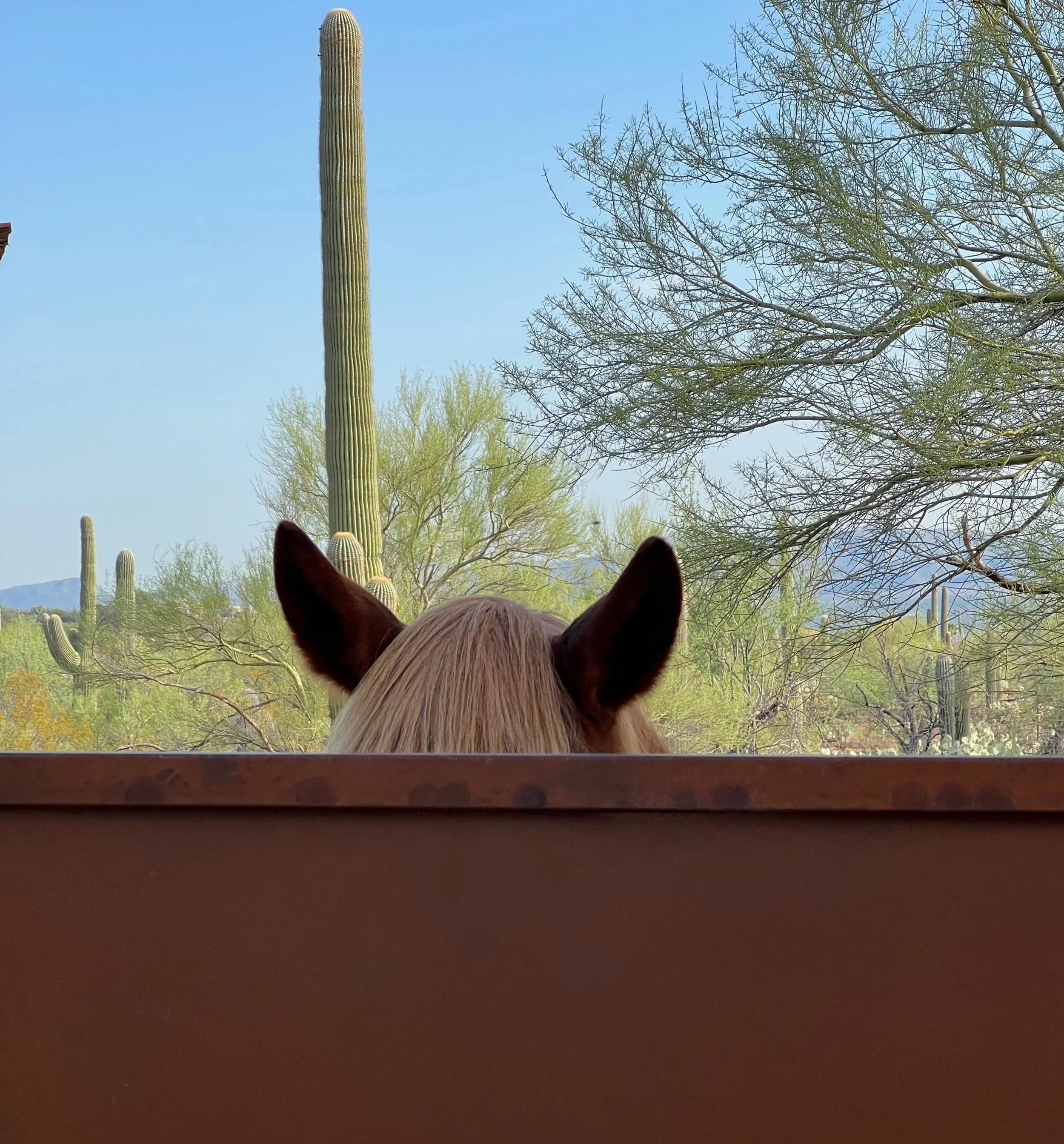
The horses at Congruence each carry their own stories of protection, resilience, and return.
In their presence, we are invited to listen more closely — to our bodies, our energy, our boundaries, and our capacity for connection. As we become more present and congruent, the relationship becomes reciprocal: horse and human responding, softening, and remembering safety together.
We see you
At Congruence, being seen and believed is not separate from the work. It is where safety begins.